House Clearance Waltham Forest: Recycling and Sustainability
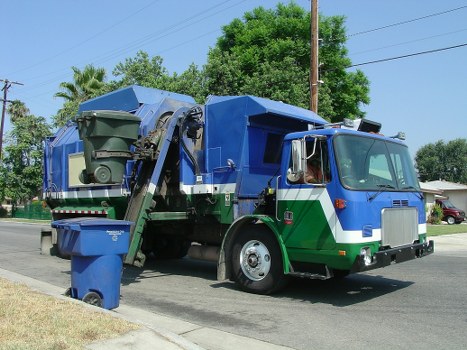 House Clearance Waltham Forest takes an eco-friendly approach to every job, prioritising an efficient, local and low-impact method of clearing properties. As a specialist in house clearance in Waltham Forest we focus on creating a sustainable rubbish area strategy for every property we clear: reducing landfill, maximising reuse and ensuring materials are processed at appropriate local facilities. This page explains our recycling commitments, partnership pathways, and the practical steps we take to support a greener borough-wide waste system.
Our recycling percentage target is ambitious and measurable: we aim to divert at least 75% of all recoverable material from landfill through reuse, donation, repair, recycling and energy recovery. This target for Waltham Forest house clearance work is set to exceed local expectations by combining careful on-site sorting with strong partnerships. The borough's approach to waste separation — encouraging residents to separate food waste, glass, paper and mixed recycling streams — complements our clearance routines and helps keep contamination low so more materials can be recycled.
We operate within the local waste infrastructure and make use of nearby transfer points and processing sites to keep transport emissions down and processing times short. 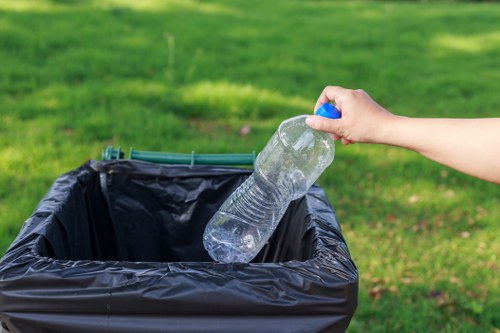 Our teams routinely use nearby council transfer stations and regional facilities such as Edmonton EcoPark and local transfer stations in Leyton and Chingford, working to ensure items go to the right place: reusable furniture to reuse centres, WEEE (electrical items) to certified WEEE processors, and inert rubble to construction recycling facilities. Where energy-from-waste is the most sustainable option for contaminated residuals, we ensure material is handled responsibly and documented.
How we create an eco-friendly waste disposal area
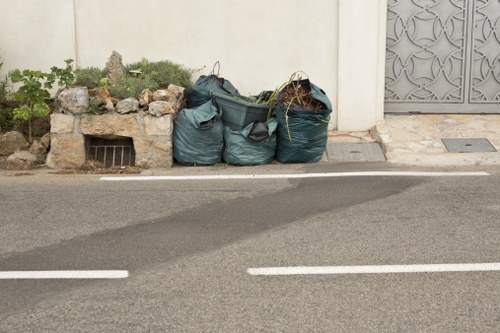
We set up a clearly marked, on-site sustainable rubbish area during every clearance to separate streams at source. Items are categorised into reusable, recyclable, hazardous and residual loads. Reusable furniture and household goods are assessed for donation or refurbishment; textiles and small items are bagged and routed to charity partners; metals, timber and glass are separated into bulks to increase recycling yield. Our process is designed to reflect the borough's waste separation guidance while optimising for reuse rather than disposal.
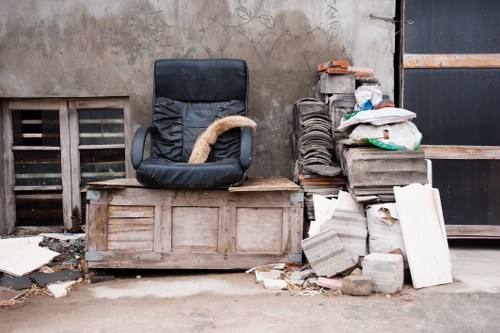 Partnerships with charities and social enterprises are a key part of our model. We work with reputable organisations including national and local charities to ensure serviceable furniture and household items find new homes: charities such as Emmaus, local community reuse projects and other welfare-focused agencies collect or accept donations, giving items a second life and supporting local people in need. When items are unsuitable for donation, we route them to refurbishment centres and social enterprises that specialise in repair and resale.
We also collaborate with civic recycling initiatives that mirror the borough's policy on waste separation. For electronics we follow WEEE regulations and use licensed e-waste processors; for textiles we direct wearable clothing to charity shops and worn textiles to accredited textile recyclers. This coordination minimises contamination and increases the rate of material recovery from each houseclearance Waltham Forest assignment.
Local transfer stations, material flows and recycling activity
The local transfer station network is central to creating a sustainable rubbish area for cleared properties. We routinely consolidate loads for delivery to transfer stations and sorting facilities so materials can be bulked and sent to the most appropriate processors. Key types of recycling activity we prioritise include:
- Furniture reuse and refurbishment — direct donation or handover to social enterprises.
- WEEE and electronics recycling — specialist dismantling and secure data destruction.
- Textiles and clothing — distribution to charities or textile recyclers.
- Hardcore and inert waste — processing for construction recycling and aggregate recovery.
- Metals, timber and glass — segregated collection to improve recycling rates.
These activities support the borough’s wider approach to waste separation: residents and contractors are encouraged to keep organics, paper/card, glass, and mixed recycling separated where possible, which helps our teams keep contamination rates low and increases overall recycling yields for the area.
Our vehicle strategy is designed to reduce the carbon footprint of every job. Low-carbon vans form a growing part of our fleet: electric vans for short urban routes, plug-in hybrids for flexible longer journeys, and lightweight trailers where needed to limit trips. Route optimisation software reduces empty runs and idling, and we schedule collections to consolidate similar loads. For house clearance in Waltham Forest this means fewer miles, lower emissions and a smaller environmental impact per tonne of material processed.
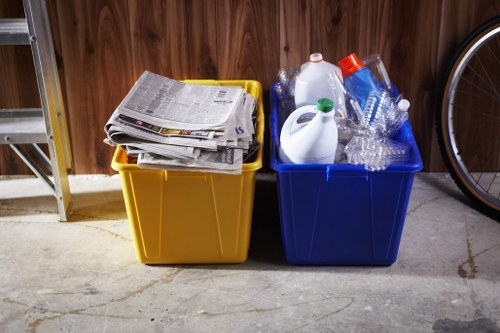 Monitoring and transparency are part of delivering on our recycling percentage target. We document the weight and destination of recyclable, donated and residual streams for every clearance, producing internal reports that track progress against our 75% diversion goal. Interim targets include achieving 60% diversion within the first year of new programme rollouts and continuous improvement measures that push that figure higher with better sorting and stronger reuse pathways.
 In summary, Waltham Forest house clearance services that prioritise eco-friendly waste disposal area planning and sustainable rubbish area management combine careful on-site sorting, partnerships with charities and social enterprises, efficient use of local transfer stations and a low-carbon vehicle fleet. Our approach ensures that materials are reused, repaired, recycled or responsibly processed wherever possible, reflecting both local borough separation practices and higher standards of environmental stewardship for every clearance job we undertake.